
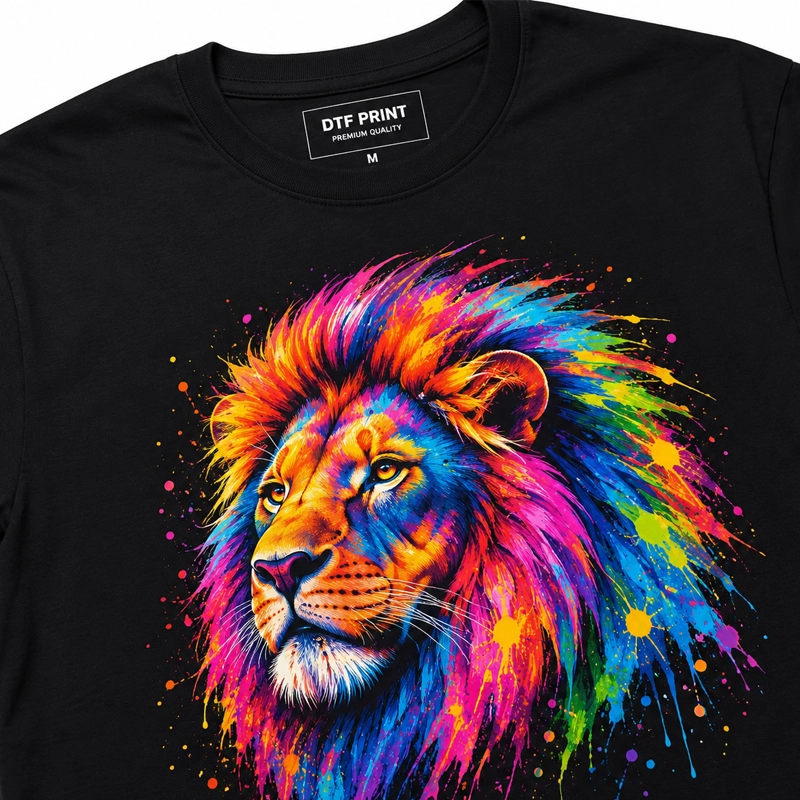
The garment printing industry has evolved rapidly over the past decade. From traditional screen printing to modern digital solutions like DTF and DTG, today’s apparel manufacturers have more printing options than ever before.
However, each printing technology comes with different advantages, limitations, costs, and production requirements. Choosing the right process depends on product type, order quantity, fabric compatibility, and business goals.
This article provides a practical overview of the most common garment printing technologies used in today’s market.
1. Screen Printing (Silk Screen Printing)
Screen printing remains one of the most widely used apparel decoration methods worldwide.
How It Works
Ink is pushed through a mesh screen onto fabric layer by layer. Each color requires a separate screen.
Advantages
- Excellent color vibrancy
- High durability after washing
- Very cost-effective for bulk orders
- Suitable for large production runs
Limitations
- High setup cost for small orders
- Not ideal for highly detailed multi-color designs
- Longer preparation time
- Difficult for on-demand customization
Best Applications
- Large apparel brands
- Bulk T-shirt production
- Sportswear
- Promotional garments
Despite the rise of digital printing, screen printing still dominates large-volume production because of its speed and low unit cost.
2. DTG (Direct to Garment) Printing
DTG printing became popular as digital printing technology improved.
How It Works
Specialized inkjet printers print water-based inks directly onto fabric.
Advantages
- Excellent image detail
- Ideal for small orders and custom printing
- No screen setup required
- Good for complex artwork and gradients
Limitations
- Slower production speed
- Higher ink cost
- Cotton fabrics work best
- Dark garments require pretreatment
Best Applications
- Print-on-demand businesses
- Small custom orders
- Fashion brands
- Personalized apparel
DTG is highly suitable for short-run production but less efficient for mass manufacturing.
3. DTF (Direct to Film) Printing
DTF printing has become one of the fastest-growing garment printing technologies globally.
How It Works
Designs are printed onto PET film using DTF ink, coated with hot melt powder, then transferred onto fabric using a heat press.
Advantages
- Works on cotton, polyester, blends, nylon, and more
- No fabric pretreatment required
- Strong color performance
- Suitable for small and medium orders
- Easier operation compared to DTG
- Excellent versatility
Limitations
- Film and powder quality greatly affect results
- Poor-quality consumables may cause peeling or washing issues
- Requires stable temperature and process control
Best Applications
- Custom apparel businesses
- Sportswear
- Fast fashion
- Small batch production
- Multi-fabric printing
Today, many printing factories prefer DTF because it combines flexibility, lower investment cost, and broad fabric compatibility.
The rapid growth of DTF has also increased demand for stable consumables such as high-quality DTF film, hot melt powder, and water-based inks.
Companies like Guangzhou DTF New Material Technology Co., Ltd. focus on developing full water-based coating DTF film solutions designed for stable production performance and multiple peeling options.
4. Sublimation Printing
Sublimation is widely used in sportswear and polyester textile applications.
How It Works
Heat transfers dye into polyester fibers, turning the ink into gas that permanently bonds with the fabric.
Advantages
- Extremely soft hand feel
- Excellent durability
- Bright colors
- No cracking or peeling
Limitations
- Only works on polyester or polyester-coated materials
- Best results on white or light-colored fabrics
- Not suitable for cotton
Best Applications
- Sports jerseys
- Activewear
- Flags
- Polyester fashion garments
Sublimation remains the preferred technology for high-performance sportswear production.
5. Heat Transfer Vinyl (HTV)
HTV is a simple and popular decoration method for small businesses.
How It Works
Colored vinyl material is cut into shapes and heat pressed onto garments.
Advantages
- Low startup cost
- Easy to operate
- Good for names and numbers
- Strong color opacity
Limitations
- Not suitable for complex multi-color images
- Slower for large production
- Less breathable
Best Applications
- Sports uniforms
- Personalized garments
- Small custom shops
HTV remains common in startup apparel businesses due to its simplicity.
6. UV DTF Printing
UV DTF is a newer decoration technology mainly used for hard surfaces rather than textiles.
How It Works
UV-curable inks are printed onto transfer film and applied to surfaces like glass, metal, plastic, and packaging.
Advantages
- No heat press required
- Strong adhesion
- Suitable for irregular surfaces
- High visual impact
Limitations
- Not suitable for fabric printing
- Material compatibility varies
Best Applications
- Packaging
- Promotional products
- Cups and bottles
- Decorative labeling
UV DTF has expanded rapidly in the customization and promotional product industry.
7. Embroidery
Although not technically printing, embroidery remains an important garment decoration method.
Advantages
- Premium appearance
- Excellent durability
- Strong brand image
Limitations
- Higher production cost
- Not ideal for detailed gradients
- Slower production
Best Applications
- Corporate apparel
- Caps
- Luxury garments
- Uniforms
Embroidery is often combined with printing techniques for premium branding applications.
Which Garment Printing Technology Is Best?
There is no single “best” printing technology.
The right choice depends on:
- Order quantity
- Fabric type
- Design complexity
- Production speed
- Investment budget
- Customer expectations
General Industry Trends
Screen Printing
Still dominates large-volume manufacturing.
DTG
Popular for premium custom cotton printing.
DTF
Currently one of the fastest-growing solutions due to flexibility and lower operational barriers.
Sublimation
Essential for polyester sportswear.
UV DTF
Rapidly expanding in promotional product customization.
Final Thoughts
The garment printing industry continues moving toward:
- Faster production
- Smaller order quantities
- More customization
- Multi-material compatibility
- Eco-friendly solutions
As a result, digital technologies like DTF are becoming increasingly important for modern printing businesses.
For manufacturers and distributors, long-term success depends not only on equipment, but also on reliable consumables, stable supply chains, and consistent production quality.